Buy wochenmarkt.eu ?
We are moving the project
wochenmarkt.eu .
Are you interested in purchasing the domain
wochenmarkt.eu ?
domain@kv-gmbh.de · 0541-91531010
Buy wochenmarkt.eu ?
Is allosteric inhibition the same as non-competitive inhibition?
Allosteric inhibition and non-competitive inhibition are not the same, although they are related. Non-competitive inhibition refers to the binding of an inhibitor to a site on the enzyme that is not the active site, thereby preventing the substrate from binding to the active site. Allosteric inhibition, on the other hand, occurs when an inhibitor binds to a site on the enzyme that is distinct from the active site, causing a conformational change in the enzyme that reduces its activity. While both types of inhibition involve the binding of an inhibitor to a site other than the active site, allosteric inhibition specifically involves a change in the enzyme's shape and activity. **
What type of inhibition occurs through allosteric activation/inhibition?
Allosteric inhibition occurs when a molecule binds to an allosteric site on an enzyme, causing a conformational change that reduces the enzyme's activity. This type of inhibition is non-competitive, meaning it does not compete with the substrate for the active site. Allosteric activation, on the other hand, occurs when a molecule binds to an allosteric site and enhances the enzyme's activity. Both allosteric inhibition and activation involve the binding of a regulatory molecule to a site other than the active site of the enzyme, leading to a change in the enzyme's activity. **


Similar search terms for Inhibition
Top-Angebote
Products related to Inhibition:
-
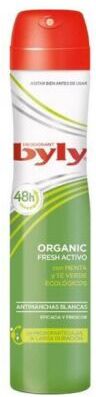
Byly Organic Fresh Deodorant Spray 200 mlHealth and Beauty Corporal hygiene Byly Organic Fresh Deodorant Spray 200 ml Do you want a natural deodorant that makes you feel truly refreshed and protected all day? The organic green tea extract allows the skin to breathe, pampering and toning naturally until the last 24 hours of the day. In fact, it keeps you smelling fresh for maximum confidence. Regulates excess perspiration and keeps you dry and fresh. Fresh Nature does not leave marks or white residue on the skin. How to use Shake well before use. Spray on the armpit, keeping the product at a distance of 15cm.3,97 £*Shipping: 3,99 £Secure redirect to the provider
-
Organic Shop Mint Fresh Breath Toothpaste 100 grHealth and Beauty Oral Care Organic Shop Mint Fresh Breath Toothpaste 100 gr This unique formula is a gentle base for oral care. Organic mint extract cleans teeth without damaging enamel and leaves breath naturally fresh.4,05 £*Shipping: 3,99 £Secure redirect to the provider
-
NaturaBIO Cosmetics Extra Fresh Toothpaste Echinacea & Organic MintHealth and Beauty Oral Care NaturaBIO Cosmetics Extra Fresh Toothpaste Echinacea & Organic Mint -Complete care for teeth and gums Suitable for sensitive teeth. -Healthy teeth and fresh breath. -Prevents tartar formation. -Mint flavor. -Available in 75 ml and travel format (25 ml). -Suitable for vegans1,39 £*Shipping: 3,99 £Secure redirect to the provider
-
Skip's Garage Drink Local Cornhole Boards"Includes: (2) Cornhole Boards & (8) Bags. Boards are Regulation Sized 24"" Wide x 48"" Long. Bags Will Complement The Board Colors. Easily Message Us Bag Color Requests. Easily Add a Carry Cases, Lights, or Both!"246,49 $*Shipping: 0,00 $Secure redirect to the provider


-
What is the difference between competitive inhibition and allosteric inhibition?
Competitive inhibition occurs when a molecule competes with the substrate for the active site of an enzyme, effectively blocking the substrate from binding and inhibiting the enzyme's activity. In contrast, allosteric inhibition occurs when a molecule binds to a site on the enzyme other than the active site, causing a conformational change that reduces the enzyme's activity. While competitive inhibition directly competes with the substrate for the active site, allosteric inhibition involves binding to a different site on the enzyme to regulate its activity. **
-
Is allosteric inhibition irreversible?
Allosteric inhibition is typically reversible, meaning that the inhibitor can bind to the allosteric site and block the activity of the enzyme, but can also dissociate from the site, allowing the enzyme to regain its activity. This is in contrast to irreversible inhibition, where the inhibitor forms a covalent bond with the enzyme, permanently inactivating it. **
-
Non-competitive inhibition, right?
Non-competitive inhibition is a type of enzyme inhibition where the inhibitor binds to a site on the enzyme that is not the active site. This binding causes a conformational change in the enzyme, making it less effective at catalyzing the reaction. Non-competitive inhibitors do not compete with the substrate for binding to the enzyme. Instead, they can bind to the enzyme-substrate complex or to a separate allosteric site on the enzyme. **
-
What is allosteric inhibition?
Allosteric inhibition is a type of enzyme regulation where a molecule binds to a site on the enzyme that is different from the active site, causing a conformational change in the enzyme's structure. This change reduces the enzyme's activity and ability to bind to its substrate, ultimately inhibiting its function. Allosteric inhibition is a reversible process and can be used to regulate enzyme activity in response to changing cellular conditions. **


What is the difference between allosteric inhibition and competitive inhibition in biology?
Allosteric inhibition occurs when a molecule binds to an allosteric site on an enzyme, causing a conformational change that reduces the enzyme's activity. This type of inhibition is non-competitive and can affect multiple enzymes in a metabolic pathway. On the other hand, competitive inhibition occurs when a molecule competes with the substrate for the active site of the enzyme, effectively blocking the substrate from binding and reducing the enzyme's activity. Competitive inhibition can be overcome by increasing the concentration of the substrate, while allosteric inhibition cannot be overcome in the same way. **
What is the difference between non-competitive inhibition and allosteric inhibition in biochemistry?
Non-competitive inhibition occurs when an inhibitor binds to an enzyme at a site other than the active site, causing a conformational change in the enzyme that reduces its activity. This type of inhibition does not compete with the substrate for binding to the active site. On the other hand, allosteric inhibition occurs when an inhibitor binds to an allosteric site on the enzyme, causing a conformational change that reduces the enzyme's activity. Allosteric inhibition can be reversible or irreversible, and it can be overcome by increasing the concentration of the substrate. **
Top-Angebote
Products related to Inhibition:
-
Tools, Home & Hobby 700W Electric Oil Press Machine Stainless Steel Seed Oil Extractor For Fresh Homemade Oils 700W Electric Oil Press Machine Stainless Steel Seed Oil Extractor For Fresh Homemade OilsBring fresh, naturally pressed oil into your kitchen with a powerful electric oil press machine designed for convenient everyday extraction. Its 700W pure copper motor processes up to 3.3 lbs of material per hour and supports continuous operation...449,97 $*Shipping: 0,00 $Secure redirect to the provider
-
West Of The Wind Fresh Produce Canvas Wall Art Multi Warm , Multi WarmDuring harvest season, sunflowers, pumpkins, mums, hay bales, colorful flowers, plants, and Fresh Produce may be seen stacked neatly on the back of a vintage truck. Gallery-wrapped over vinyl stretcher bars, this waterproof, indoor/outdoor giclee...229,99 $*Shipping: 0,00 $Secure redirect to the provider
-
Byly Organic Fresh Deodorant Spray 200 mlHealth and Beauty Corporal hygiene Byly Organic Fresh Deodorant Spray 200 ml Do you want a natural deodorant that makes you feel truly refreshed and protected all day? The organic green tea extract allows the skin to breathe, pampering and toning naturally until the last 24 hours of the day. In fact, it keeps you smelling fresh for maximum confidence. Regulates excess perspiration and keeps you dry and fresh. Fresh Nature does not leave marks or white residue on the skin. How to use Shake well before use. Spray on the armpit, keeping the product at a distance of 15cm.3,97 £*Shipping: 3,99 £Secure redirect to the provider
-
Organic Shop Mint Fresh Breath Toothpaste 100 grHealth and Beauty Oral Care Organic Shop Mint Fresh Breath Toothpaste 100 gr This unique formula is a gentle base for oral care. Organic mint extract cleans teeth without damaging enamel and leaves breath naturally fresh.4,05 £*Shipping: 3,99 £Secure redirect to the provider
-
Is allosteric inhibition the same as non-competitive inhibition?
Allosteric inhibition and non-competitive inhibition are not the same, although they are related. Non-competitive inhibition refers to the binding of an inhibitor to a site on the enzyme that is not the active site, thereby preventing the substrate from binding to the active site. Allosteric inhibition, on the other hand, occurs when an inhibitor binds to a site on the enzyme that is distinct from the active site, causing a conformational change in the enzyme that reduces its activity. While both types of inhibition involve the binding of an inhibitor to a site other than the active site, allosteric inhibition specifically involves a change in the enzyme's shape and activity. **
-
What type of inhibition occurs through allosteric activation/inhibition?
Allosteric inhibition occurs when a molecule binds to an allosteric site on an enzyme, causing a conformational change that reduces the enzyme's activity. This type of inhibition is non-competitive, meaning it does not compete with the substrate for the active site. Allosteric activation, on the other hand, occurs when a molecule binds to an allosteric site and enhances the enzyme's activity. Both allosteric inhibition and activation involve the binding of a regulatory molecule to a site other than the active site of the enzyme, leading to a change in the enzyme's activity. **
-
What is the difference between competitive inhibition and allosteric inhibition?
Competitive inhibition occurs when a molecule competes with the substrate for the active site of an enzyme, effectively blocking the substrate from binding and inhibiting the enzyme's activity. In contrast, allosteric inhibition occurs when a molecule binds to a site on the enzyme other than the active site, causing a conformational change that reduces the enzyme's activity. While competitive inhibition directly competes with the substrate for the active site, allosteric inhibition involves binding to a different site on the enzyme to regulate its activity. **
-
Is allosteric inhibition irreversible?
Allosteric inhibition is typically reversible, meaning that the inhibitor can bind to the allosteric site and block the activity of the enzyme, but can also dissociate from the site, allowing the enzyme to regain its activity. This is in contrast to irreversible inhibition, where the inhibitor forms a covalent bond with the enzyme, permanently inactivating it. **
Similar search terms for Inhibition
-
NaturaBIO Cosmetics Extra Fresh Toothpaste Echinacea & Organic MintHealth and Beauty Oral Care NaturaBIO Cosmetics Extra Fresh Toothpaste Echinacea & Organic Mint -Complete care for teeth and gums Suitable for sensitive teeth. -Healthy teeth and fresh breath. -Prevents tartar formation. -Mint flavor. -Available in 75 ml and travel format (25 ml). -Suitable for vegans1,39 £*Shipping: 3,99 £Secure redirect to the provider
-
Skip's Garage Drink Local Cornhole Boards"Includes: (2) Cornhole Boards & (8) Bags. Boards are Regulation Sized 24"" Wide x 48"" Long. Bags Will Complement The Board Colors. Easily Message Us Bag Color Requests. Easily Add a Carry Cases, Lights, or Both!"246,49 $*Shipping: 0,00 $Secure redirect to the provider
-
Skip's Garage Drink Local Cornhole Boards"Includes: (2) Cornhole Boards & (8) Bags. Boards are Regulation Sized 24"" Wide x 48"" Long. Bags Will Complement The Board Colors. Easily Message Us Bag Color Requests. Easily Add a Carry Cases, Lights, or Both!"296,49 $*Shipping: 0,00 $Secure redirect to the provider
-
Non-competitive inhibition, right?
Non-competitive inhibition is a type of enzyme inhibition where the inhibitor binds to a site on the enzyme that is not the active site. This binding causes a conformational change in the enzyme, making it less effective at catalyzing the reaction. Non-competitive inhibitors do not compete with the substrate for binding to the enzyme. Instead, they can bind to the enzyme-substrate complex or to a separate allosteric site on the enzyme. **
-
What is allosteric inhibition?
Allosteric inhibition is a type of enzyme regulation where a molecule binds to a site on the enzyme that is different from the active site, causing a conformational change in the enzyme's structure. This change reduces the enzyme's activity and ability to bind to its substrate, ultimately inhibiting its function. Allosteric inhibition is a reversible process and can be used to regulate enzyme activity in response to changing cellular conditions. **
-
What is the difference between allosteric inhibition and competitive inhibition in biology?
Allosteric inhibition occurs when a molecule binds to an allosteric site on an enzyme, causing a conformational change that reduces the enzyme's activity. This type of inhibition is non-competitive and can affect multiple enzymes in a metabolic pathway. On the other hand, competitive inhibition occurs when a molecule competes with the substrate for the active site of the enzyme, effectively blocking the substrate from binding and reducing the enzyme's activity. Competitive inhibition can be overcome by increasing the concentration of the substrate, while allosteric inhibition cannot be overcome in the same way. **
-
What is the difference between non-competitive inhibition and allosteric inhibition in biochemistry?
Non-competitive inhibition occurs when an inhibitor binds to an enzyme at a site other than the active site, causing a conformational change in the enzyme that reduces its activity. This type of inhibition does not compete with the substrate for binding to the active site. On the other hand, allosteric inhibition occurs when an inhibitor binds to an allosteric site on the enzyme, causing a conformational change that reduces the enzyme's activity. Allosteric inhibition can be reversible or irreversible, and it can be overcome by increasing the concentration of the substrate. **
* All prices are inclusive of VAT and, if applicable, plus shipping costs. The offer information is based on the details provided by the respective shop and is updated through automated processes. Real-time updates do not occur, so deviations can occur in individual cases. ** Note: Parts of this content were created by AI.